
Many people ask, What Are Blockchain Technology and why it matters today. Blockchain is a digital system that records data in blocks. Each block links to the one before it. This creates a secure chain of information. No single person controls the system. Many computers check and confirm each transaction. This process keeps the data safe and transparent. It also makes records hard to change or delete. Because of this design, people can share data and value online with more trust.
Blockchain plays a key role in crypto, finance, and Web3. Cryptocurrencies like Bitcoin use blockchain to record payments. The system removes the need for banks or middlemen. In finance, companies use blockchain for faster and safer transactions. It also helps reduce fraud and errors. In Web3, blockchain gives users more control over their data and digital assets. When people ask What Are Blockchain Technology, they often learn it is the foundation of modern decentralized systems.
Simple Definition of Blockchain
Blockchain is a digital system that stores data in blocks. Each block links to the previous one. This forms a secure chain of records. Many computers verify the data. No single person controls it. The system is transparent and hard to change, which makes it trusted for digital transactions and records.

History and Origin of Blockchain Technology
The idea of blockchain started in the early 1990s. Two researchers, Stuart Haber and W. Scott Stornetta, worked on a system to protect digital documents. They wanted a way to store records that no one could change. Their method used cryptography and time stamps. This early work created the base idea for blockchain technology.
Blockchain became popular in 2008 when Satoshi Nakamoto introduced Bitcoin. The goal was to create digital money without banks. Bitcoin used blockchain to record all transactions in a public ledger. Over time, developers used this idea to build new systems. Today, blockchain supports crypto, finance, and many Web3 applications.
Role of Blockchain in Cryptocurrency
Blockchain plays a key role in cryptocurrency. It records every crypto transaction in a digital ledger. This ledger is shared across many computers in a network. Each transaction forms a new block in the chain. The system checks and confirms the data before adding it. This process keeps records secure and transparent.
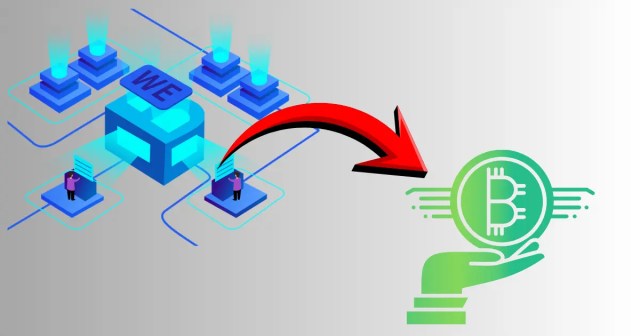
Cryptocurrencies like Bitcoin and Ethereum use blockchain to move money online. The technology removes the need for banks or middlemen. Users can send and receive digital coins directly. Blockchain also helps prevent fraud and double spending. Because of this, it builds trust in the crypto system.
How Blockchain Technology Works
Blockchain is a digital system that records data in blocks. Each block holds a group of transactions. When a block fills up, it links to the previous block. This forms a chain, called a blockchain. Computers in a network check and approve each transaction. This process keeps the data safe and hard to change. No single person controls the system.

This system is called distributed ledger technology. Many computers store the same copy of the ledger. When a new transaction happens, the network verifies it. Then the system adds it to a new block. The block joins the chain. This process keeps records clear, secure, and transparent.
Blocks and Chains Explained
Blocks store information in a blockchain. Each block holds data about transactions. It also stores a time stamp and a unique code called a hash. The hash connects the block to the previous block. This link creates a chain of blocks. When data enters the system, the network checks it first. After approval, the system adds the data to a new block.
Chains form when blocks connect in order. Every new block links to the last block in the chain. This structure protects the data from changes. If someone edits one block, the chain breaks. The network quickly detects the change. This design keeps records secure and trustworthy.
Decentralization in Blockchain
Decentralization means no single person or company controls the blockchain. Many computers, called nodes, run the network together. Each node stores a copy of the data. When a new transaction happens, the network checks it as a group. This shared control reduces the risk of fraud. It also removes the need for a central authority.
This system builds trust among users. Everyone can view the same record on the network. No one can easily change or delete the data. If one computer fails, others still keep the system running. This design makes blockchain strong, open, and reliable for many digital transactions today.
Role of Cryptography in Blockchain
Cryptography protects data in a blockchain. It uses special codes to secure information. Each user gets a private key and a public key. The private key signs a transaction. The public key helps others verify it. This process proves that the right person sent the transaction. It also keeps the data safe from hackers.
Cryptography also creates hashes for each block. A hash is a unique digital fingerprint. It links one block to the next block in the chain. If someone changes the data, the hash changes too. The network quickly detects the problem. This system keeps blockchain records secure and trustworthy.
Key Features of Blockchain Technology
Blockchain offers many useful features. It stores data in a secure and digital form. The system works on a decentralized network. This means many computers share the same record. Each transaction stays visible to all users. This feature creates transparency. The network also verifies every transaction before adding it to the chain.

Another key feature is immutability. Once data enters the blockchain, users cannot easily change it. The system also uses cryptography to protect information. This keeps records safe from hackers. Blockchain also works without a central authority. These features make blockchain reliable, secure, and useful for many digital services today.
Transparency
Transparency means people can easily see and check information. In digital systems, transparency helps users trust the process. Many platforms show clear records of actions and transactions. Users can track changes and view updates in real time. This openness reduces confusion and builds confidence among users.
In systems like blockchain, transparency plays a key role. Every transaction appears on a shared record. Many users can view the same information at the same time. This system helps prevent hidden actions or fraud. When people see clear and open records, they trust the system more. Transparency makes digital systems fair, honest, and reliable.
Security and Immutability
Security protects data from hackers and misuse. Blockchain uses strong encryption to keep information safe. Each transaction passes through network verification. This step checks that the data is real and correct. Many computers also store copies of the record. This shared system makes it harder for attackers to change the data.
Immutability means the data cannot change once added to the blockchain. Each block connects to the previous one with a unique hash. If someone tries to edit a block, the hash changes. The network quickly detects the change. This design protects records from tampering. It keeps information reliable, permanent, and trustworthy.
Distributed Ledger
A distributed ledger is a digital record shared across many computers. Each computer stores the same copy of the data. When a new transaction happens, the network checks it together. After approval, the system adds the record to the ledger. This process keeps information accurate and up to date.
The shared system improves trust and transparency. No single person controls the ledger. Many users help manage and verify the data. If one computer stops working, others still keep the record safe. This design makes the system strong and reliable. Distributed ledgers support secure and open digital transactions.
Types of Blockchain Networks
A public blockchain is open to everyone. Anyone can join the network and view transactions. Users can also send and verify data on the system. This type offers high transparency and strong security. Many cryptocurrencies use public blockchains to record transactions.

A private blockchain works with limited access. One organization controls the network and manages permissions. Only approved users can join and view data. A consortium blockchain sits between public and private types. Several organizations manage the network together. They share control and verify transactions as a group. This model improves trust and cooperation among partners.
Public Blockchain
A public blockchain is open to everyone. Anyone can join the network and take part. Users can send, receive, and verify transactions. The system does not need a central authority. Many computers work together to manage the network. This shared control keeps the system fair and transparent.
Every transaction appears on a public record. Anyone can view the data on the blockchain. The network checks each transaction before adding it to the chain. This process keeps the information secure and accurate. Public blockchains support many digital currencies and online services. They create trust by keeping records open and visible.
Private Blockchain
A private blockchain is controlled by a single organization. Only approved users can join the network. The organization decides who can view and add data. This system keeps sensitive information secure. Private blockchains are faster because fewer computers verify transactions.
The network still records every transaction in a block. Users cannot change data without permission. This makes the system reliable and safe. Companies use private blockchains for business operations and internal records. It helps them manage information efficiently. Private blockchains offer security, control, and privacy while keeping records accurate and trustworthy.
Hybrid Blockchain
A hybrid blockchain combines public and private systems. Some data stays private, while other information is open to everyone. Organizations control who can access private parts. At the same time, public sections allow transparency. This balance gives both security and openness.
The network lets multiple parties share and verify transactions. Private data stays protected, while public data builds trust. Companies use hybrid blockchains for business and partnerships. Users can safely interact without revealing everything. Hybrid blockchains are flexible, secure, and reliable. They give the best of both worlds by mixing control, privacy, and transparency in one system.
Consortium Blockchain
A consortium blockchain is managed by a group of organizations. Each organization shares control of the network. Only approved members can join and verify transactions. This system is faster than public blockchains. It also keeps sensitive data secure.
The network helps organizations work together safely. Members check each transaction before adding it to the chain. This shared control builds trust and reduces mistakes. Consortium blockchains are popular in banking, supply chains, and business networks. They combine security, efficiency, and transparency. Users can see trusted records without exposing all information. Consortium blockchains make collaboration reliable and safe.
Benefits of Blockchain Technology
Blockchain offers many advantages for users and businesses. It stores data securely using strong encryption. The system works on a decentralized network, so no single person controls it. Transactions are fast and verified by the network. Users can trust the information because it is transparent and accurate.

Blockchain also improves efficiency. Records are permanent and cannot be changed without detection. It reduces fraud and errors in digital systems. Many industries use blockchain for payments, supply chains, and digital contracts. This technology saves time, increases security, and builds trust. Overall, blockchain makes digital systems safer, faster, and more reliable.
Better Security
Blockchain gives better security for digital data. It uses strong codes called cryptography to protect information. Each transaction is verified by many computers in the network. This makes it very hard for hackers to change data. Users can trust that their information is safe.
Blocks in the blockchain link together with unique digital fingerprints. If someone tries to change a block, the network quickly notices. This system keeps all records accurate and permanent. Better security helps businesses and users protect money, personal data, and important documents. Blockchain makes digital systems safer, stronger, and more reliable.
Faster Transactions
Blockchain enables faster transactions than traditional systems. It removes the need for banks or middlemen. Users can send money or data directly to others. The network verifies transactions quickly using many computers. This process saves time and reduces delays.
Blocks record transactions in order and link them to the chain. Once verified, the transaction is complete and permanent. Users can track the process in real time. Faster transactions help businesses and people move money or information efficiently. Blockchain technology makes digital payments and records quicker, smoother, and more reliable for everyone.
Lower Costs
Blockchain helps lower costs for businesses and users. It removes the need for middlemen like banks or brokers. Users can send money or data directly. The network verifies transactions automatically. This reduces fees and extra charges.
The system also saves time and resources. Digital records are secure and permanent, so companies spend less on audits and paperwork. Blockchain works efficiently on many computers at once. Lower costs make services more affordable and accessible. Businesses and individuals can save money while keeping transactions safe. Blockchain technology is fast, reliable, and budget-friendly.
Improved Transparency
Blockchain improves transparency in digital systems. Every transaction is recorded on a shared ledger. All users can view the same information. This openness helps people trust the system. No one can hide or change data without others knowing.
The network verifies each transaction before adding it to the chain. This process keeps records accurate and clear. Businesses use blockchain to show customers and partners reliable information. Improved transparency reduces mistakes and fraud. Users can check updates in real time. Blockchain technology makes systems honest, open, and easy to track.
Real-World Uses of Blockchain Technology
Blockchain has many applications in different industries. It helps people send money quickly and safely. Companies use it to track products in supply chains. Blockchain also stores important records like contracts and health data. Users can trust the information because it is secure and permanent.

This technology works in banking, logistics, and government services. It reduces fraud and mistakes. Blockchain helps businesses share data safely with partners. It also supports digital currencies and online payments. These use cases make processes faster, cheaper, and more transparent. Blockchain is changing how people and companies handle data every day.
Cryptocurrency (Bitcoin & Ethereum)
Cryptocurrency is digital money that works on blockchain networks. Bitcoin and Ethereum are two popular types. People can send or receive them online without banks. Transactions are secure and verified by the network. Each user has a private key to access their funds.
Bitcoin is mainly used as digital money. Ethereum also supports smart contracts, which are programs that run automatically. Both cryptocurrencies store value and allow fast payments worldwide. They help people trade, invest, and pay online safely. Blockchain keeps all transactions transparent and permanent. Cryptocurrency is changing how people use and manage money today.
Supply Chain Management
Blockchain helps improve supply chain management. It tracks products from factories to stores. Each step is recorded in a secure digital ledger. Companies can see where items are at any time. This tracking reduces mistakes and delays.
The network also checks transactions between suppliers, transporters, and retailers. Everyone can trust that the information is correct. Blockchain makes it easier to find problems like theft or damage. It increases transparency and efficiency in the supply chain. Businesses save time and money while keeping products safe. Blockchain makes supply chains faster, smarter, and more reliable.
Healthcare
Blockchain improves healthcare systems. It stores patient records securely on a digital ledger. Doctors and hospitals can access the data safely. Each record is verified by the network. This keeps information accurate and private.
The system also tracks medicines and medical supplies. Hospitals can check their source and prevent counterfeits. Patients can share records with specialists easily. Blockchain reduces errors and improves trust between patients and providers. It also speeds up insurance claims and payments. This technology makes healthcare safer, faster, and more efficient. Hospitals and patients can rely on blockchain to manage health information securely.
Banking and Finance
Blockchain changes banking and finance. It allows people to send money directly without banks. Transactions are fast, secure, and verified by the network. Banks can also use blockchain to store records safely. This reduces errors and fraud.
The system helps with payments, loans, and digital currencies. Banks can track transactions in real time. Customers can trust that their money and data are safe. Blockchain also lowers costs by removing middlemen. It makes financial services faster, more transparent, and reliable. Many banks and fintech companies now use blockchain to improve security and efficiency in their operations.
Smart Contracts
Smart contracts are digital agreements that run on blockchain. They work automatically when conditions are met. Users do not need a middleman to enforce the contract. The network verifies each step to ensure it is correct.
Smart contracts are secure and transparent. Once created, they cannot be changed without detection. Businesses use them for payments, rentals, and digital services. They save time and reduce mistakes. Users can trust that the contract will execute exactly as written. Smart contracts make transactions faster, safer, and more reliable. Blockchain technology ensures agreements are clear, automatic, and secure for everyone.
Challenges and Limitations of Blockchain
Blockchain has some problems and limitations. It can be slow when many transactions happen at the same time. The system also uses a lot of computer power and energy. Setting up blockchain networks can be expensive for businesses.

Another limitation is that it is hard to change data once added. Mistakes or errors can be permanent. Some people also find it difficult to understand and use blockchain technology. Regulations and legal rules are not clear in all countries. Despite these issues, developers are working to improve blockchain. The technology is still strong, secure, and useful for many applications.
Scalability Issues
Blockchain faces scalability issues. When many users send transactions at the same time, the system can slow down. Each transaction needs verification by many computers. This process takes time and uses a lot of resources.
Scalability also affects costs. High traffic can make transactions expensive. Some blockchains cannot handle thousands of transactions per second. Developers are creating solutions like faster networks and layer-two systems. These improvements aim to make blockchain handle more users and data. Solving scalability issues will help blockchain work better for businesses, finance, and everyday digital applications.
High Energy Consumption
Blockchain uses a lot of energy. Computers in the network work hard to verify transactions. This process, called mining, consumes electricity continuously. Large networks like Bitcoin need huge amounts of power. High energy use increases costs and can harm the environment.
The problem is bigger when more users join the network. Each transaction requires more energy to process. Developers are exploring solutions like energy-efficient blockchains and proof-of-stake systems. These changes aim to reduce electricity use while keeping the network secure. Solving high energy consumption will make blockchain safer for the planet and more sustainable for the future.
Regulatory Concerns
Blockchain faces regulatory concerns in many countries. Governments are not sure how to control digital currencies and networks. Rules for taxes, security, and privacy are not always clear. This can confuse businesses and users.
Regulations also affect blockchain adoption. Some countries limit or ban certain blockchain activities. Companies must follow different rules in different places. Legal uncertainty can slow down projects and investments. Developers and regulators are working together to create clear guidelines. Clear rules will help blockchain grow safely. Proper regulations protect users, reduce fraud, and support trustworthy digital systems. Blockchain can work better with legal clarity.
Future of Blockchain Technology
The future of blockchain looks bright. Developers are creating new solutions for faster and cheaper networks. Blockchain will improve finance, healthcare, supply chains, and more. Web3 technology uses blockchain to give users control over their data. People can interact online without middlemen.

Innovation is growing in smart contracts, decentralized apps, and digital currencies. Businesses and individuals can use blockchain to work safely and efficiently. Web3 promises more privacy, transparency, and security for online activities. As blockchain evolves, it will change how we use the internet, money, and digital services. The technology is becoming smarter, faster, and more reliable.
Blockchain and Web3
Web3 and Blockchain work together to change the internet. Blockchain stores data securely on a shared network. Users can see and verify transactions easily. Web3 uses this system to give people control over their digital information.
With Web3, users can interact online without middlemen. Smart contracts and decentralized apps run automatically on blockchain. This makes services faster, safer, and transparent. People can own digital assets and share data securely. Blockchain and Web3 create a more open and fair internet. They help businesses, developers, and users build trustworthy online systems for the future.
Blockchain in Global Finance
Blockchain is changing global finance. It allows people to send money quickly across countries. Banks and financial institutions can verify transactions safely on the network. This reduces errors and lowers costs.
The technology also supports digital currencies and smart contracts. Businesses can track payments and agreements in real time. Blockchain increases transparency and trust in financial systems. It helps prevent fraud and improves efficiency. Many countries and companies are adopting blockchain to make banking and finance faster, safer, and more reliable. This technology is shaping the future of global money and financial services.
Upcoming Blockchain Trends
Upcoming blockchain trends are exciting. More companies are using blockchain for finance, supply chains, and healthcare. Smart contracts and decentralized apps are growing fast. Developers are creating faster and cheaper networks.
Web3 technology is becoming popular. It gives users control over their digital data. Digital currencies and NFTs continue to grow. Energy-efficient blockchains are also emerging to reduce power use. Businesses and individuals can expect safer, faster, and more transparent systems. These trends show that blockchain will play a bigger role in our daily lives. Innovation is making blockchain smarter and more useful for everyone.
FAQ’S
What is blockchain technology in simple words?
Blockchain technology is a digital system that stores data in blocks linked together in a secure and decentralized network.
Why is blockchain important?
Blockchain is important because it provides secure, transparent, and tamper-proof transactions without needing a central authority.
Is blockchain only used for cryptocurrency?
No. Blockchain is used in many industries such as finance, healthcare, supply chain, and digital identity.
What are the main features of blockchain?
The main features include decentralization, transparency, security, and immutability.
What is an example of blockchain technology?
The most popular example is Bitcoin, which uses blockchain to record and verify transactions.